If you’ve ever ignored a weird noise your car made, only to have it break down the next day, then you already understand how clogged gutters work. They give you little warning signs — subtle hints at first — and if you keep pretending nothing’s wrong, they go from “slightly annoying” to “full-blown disaster” faster than you can say “water damage.”
With more than 20 years in the roof and gutter world, I’ve seen everything: sagging gutters full of mud and plants, gutters so packed they looked like raised garden beds, and one memorable case where a homeowner asked if “gutters are supposed to have wildlife.” (The answer is no. If you need binoculars to check on your gutter activity, it’s time for cleaning.)
So let’s break down the five biggest signs your gutters are clogged, what they really mean, and why ignoring them will cost you — in money, stress, and possibly the structural integrity of your home.
Why Gutter Maintenance Isn’t Optional
Before we dive into the warning signs, let’s get one thing straight: your gutters aren’t just decoration. They’re part of your home’s drainage system, and when they stop working, everything from your roof to your foundation is at risk.
A properly functioning gutter system:
- Moves rainwater safely away from the home
- Prevents roof leaks and rot
- Protects siding and paint
- Stops soil erosion
- Reduces foundation cracking
- Prevents basement flooding
A clogged gutter does the exact opposite. Think of it as your home holding its breath — and eventually something’s going to give.
1. Water Overflowing Like a Mini Waterfall
If you see water pouring over the edge of your gutters during a rainstorm, that’s not “extra drainage.” That’s your gutter screaming for help.
Why It Happens
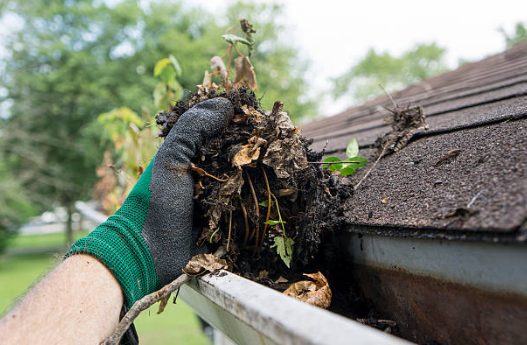
Debris — leaves, shingle grit, pine needles, dirt — fills the gutter and blocks the water’s path. With nowhere to go, the water spills over the sides, usually right next to your foundation.
Why It Matters
Overflowing water can:
- Cause foundation cracks
- Wash away landscaping
- Rot fascia boards
- Soak exterior walls
- Lead to basement leaks
Real-Life Moment
Years ago, I had a homeowner insist his overflowing gutters were “just because of heavy rain.” After cleaning them, I pulled out 15 pounds of mud, leaves, and acorns — basically enough material to start a small farm. The next storm? Not a single drop overflowed. Rain wasn’t the issue — the debris was.
2. Sagging Gutters (AKA: “The Gutter Hammock”)
If your gutters look like they’re practicing for a hammock competition, they’re clogged — period.
Why It Happens
Debris gets wet, turns to sludge, and adds weight. Enough weight bends the gutter, loosens the fasteners, and eventually pulls the gutter away from the house.
Why It Matters
Sagging gutters:
- Prevent proper water flow
- Lead to total gutter collapse
- Damage fascia boards
- Stretch or break gutter hangers
- Become significantly more expensive to repair
Pro Tip
If you can see sagging from the street, the clog has already been there too long. Gutters shouldn’t bend, bow, or sag — they’re designed to stay straight and angled.
3. Plants Growing Out of Your Gutters
Look — I’m all for gardening, but not up there.
If you see greenery sprouting from the edge of your roofline, you’ve officially skipped the “clogged gutter” stage and jumped straight to the “nature has taken over” stage.
Why It Happens
Seeds land in debris, water collects, soil forms, and suddenly your gutter is a planter box. Birds often contribute by dropping seeds and packing debris in tight.
Why It Matters
Plants mean:
- Deep, compacted clogs
- Water completely trapped
- Roofline moisture damage
- Bugs and critters moving in
- Drainage totally blocked
Humor Break
If you’ve ever said, “Huh, looks like we’ve got some new plants up there,” congratulations — you’ve unintentionally invented sky gardening.
4. Water Stains or Damage on Your Siding
This is one most homeowners miss.
If the siding under your gutters looks stained, streaked, discolored, or unusually dirty, the gutter has been overflowing for weeks or months.
Why It Happens
Overflowing or leaky gutters send a constant stream of water running down your siding. Over time, this creates dirty streaks, mold growth, and wood rot.
Why It Matters
- Mold and mildew can grow
- Paint begins to bubble and peel
- Wood siding rots
- Stucco cracks
- Insulation gets damp
Quick Inspection Trick
Stand back 10–20 feet and look for vertical streaks — those usually follow the overflow path.
5. You See Birds, Mosquitos, or Critters Hanging Around
Clogged gutters make excellent nesting grounds because they collect:
- Stagnant water
- Leaves
- Twigs
- Shelter
If you see animals treating your gutter like it’s an extended-stay hotel, you’ve got a problem.
Insects
Mosquitoes only need standing water the size of a bottle cap to breed. A clogged gutter is basically a mosquito resort.
Birds
Birds love debris-filled gutters for nesting. Once they settle in, the clog gets worse.
Rodents
Squirrels and mice use gutters as highways and nests. If they chew into your attic, the damage skyrockets.
Why It Matters
Critters = clogs + damage + possible entry into your home.
Bonus Sign: Water Near Your Foundation
If you notice puddling near the base of the home after rain, your gutters and downspouts aren’t doing their job. This can lead to extremely expensive structural problems.
How Often Should You Clean Gutters?
General rule:
- Twice a year minimum (spring & fall)
- Every 3–4 months for homes with heavy tree cover
- After hurricanes or major storms in Florida
- Quarterly for commercial buildings
Why Professional Cleaning Is Worth It
Yes, you can clean your own gutters. You can also cut your own hair. That doesn’t mean you should.
Professionals Bring:
- Commercial-grade safety gear
- High-reach ladders
- Specialized cleaning tools
- Proper debris removal
- Downspout flushing
- Full roofline inspection
What Homeowners Risk:
- Falls (the #1 DIY injury with gutters)
- Improper cleaning
- Structural damage
- Clogs pushed deeper into downspouts
One slip is all it takes — and suddenly gutter cleaning is a lot more expensive than hiring a pro.
The Hidden Dangers of Waiting Too Long
Neglected gutters cause:
- Foundation cracks
- Roof leaks
- Interior water damage
- Mold buildup
- Pest infestations
- Driveway or walkway erosion
- Collapsed gutters
- Higher repair costs
A few hundred dollars on professional gutter cleaning can prevent $5,000–$25,000 in long-term repairs.
When It Might Be Time for Gutter Guards
In almost every home or business, high quality gutter guards are a smart investment.
You’re a good candidate if:
- Your home or business is surrounded by trees
- You travel often
- You want low-maintenance protection
- You want to avoid repeated clogs
- You’ve had pests nesting in your gutters
Professional installation of high quality gutter guards can all but eliminate gutter clogs and significatnly reduce maintenance, by keeping debris out and allowing your gutters to safely channel and divert rain water away from your property as intended.
DIY vs. Professional Gutter Guards
DIY Guards
- Cheaper upfront
- Less durable
- Don’t fit all roof types
- May void roofing warranties
- Often allow debris buildup underneath
Professional Guards
- Thick aluminum or stainless steel
- Installed to match your specific gutter system
- Reduce clogs more effectively
- Come with warranties
- Increase home value
A Cautionary Tale You Don’t Want to Experience
Imagine walking into your living room after a heavy Florida downpour only to notice a dark, bubbling patch growing across your ceiling. Within minutes, water begins streaking down the wall, soaking furniture, flooring, and anything in its path.
What caused it? Not a roof leak. Not storm damage.
Just one clogged downspout forcing water to back up under the shingles, into the attic, and straight down through the drywall.
Situations like this happen far more often than homeowners realize — and the repair bill can climb into the thousands. Meanwhile, the gutter cleaning that would have prevented the mess costs only a fraction of that.
It’s the kind of nightmare no homeowner wants to deal with, and a perfect reminder that staying ahead of gutter maintenance is always cheaper (and far less stressful) than cleaning up after a preventable disaster.
How to Prevent Clogged Gutters for Good
1. Clean them twice a year
The most reliable method — simple and effective.
2. Trim nearby trees
Especially oak, pine, and palm.
3. Install gutter guards
Prevents most debris buildup.
4. Inspect after big storms
Florida weather demands it.
5. Make sure downspouts are clear
Even clean gutters can’t drain if the bottom is clogged.
Final Thoughts: Gutters Aren’t Glamorous — But They’re Essential
Clogged gutters aren’t just an eyesore or a weekend annoyance — they’re a genuine threat to your home’s structure, value, and long-term durability. If you’re seeing any of the warning signs we covered today — overflowing water, sagging sections, plant growth, staining, or pests — that’s your home telling you it’s time to act before a simple clog turns into an expensive repair.
In the end, protecting your home comes down to two smart choices: schedule regular gutter cleaning or install high-quality gutter guards to prevent clogs in the first place. Both approaches will keep water flowing where it should, safeguard your roof and foundation, and eliminate the headaches (and costs) that come with neglect.
Give your gutters the attention they deserve — they’re quietly doing some of the hardest work on your home.