Foundation Protection Starts With Proper Gutters
When people think about protecting their home, they often picture big, dramatic upgrades — a new roof, hurricane-impact windows, maybe even a full exterior renovation. But the truth is, one of the smallest systems on your house is quietly shielding you from some of the most expensive problems: your gutters.
Yes, those narrow metal channels along your roofline are doing strategic, heavy-duty work every single time it rains. And when they get clogged? Your home becomes vulnerable in ways most homeowners never notice until the bill arrives — and by then, the damage is done.
This article breaks down exactly how clean, functional gutters prevent costly water damage, why foundation protection starts up at the roofline (not in the soil), and how a little routine maintenance can save you thousands.
Let’s get into it.
Why Your Gutters Exist in the First Place
Most homeowners know gutters “move water away from the house,” but don’t realize how important that simple job really is.
Your gutter system is designed to:
- Catch roof runoff
- Channel it safely to downspouts
- Direct it several feet away from your foundation
- Prevent water from soaking the soil around your home’s base
Without gutters — or with clogged gutters — rainwater behaves like a wrecking ball in slow motion.
A House Without Clean Gutters Is Asking for Trouble
If gutters are clogged:
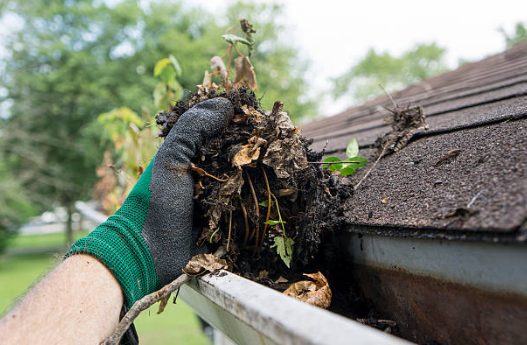
- Water pours over the edge instead of draining
- Soil around the foundation becomes oversaturated
- Pressure builds against basement walls and slab edges
- Moisture creeps into siding, soffits, and fascia
- Mold and rot begin taking hold
- The ground shifts, cracks develop, and structural settling begins
It doesn’t happen overnight, but it does happen — and repairing foundation or structural damage is easily one of the most expensive home repairs a property owner can face.
How Clogged Gutters Cause Foundation Damage
Foundation damage is one of the most common — and most costly — consequences of neglected gutters.
Here’s how it usually plays out.
1. Soil Saturation Around the Foundation
When clogged gutters overflow, water pours straight down along the home’s perimeter instead of being carried away. Over time, this leads to:
- soil erosion
- excessive moisture
- swelling or shifting soil
- hydrostatic pressure buildup
That last one — hydrostatic pressure — is a silent destroyer. As water builds up in the soil, pressure pushes against basement walls, crawlspace foundations, and slab edges.
2. Cracks Begin to Form
Under enough pressure, materials give way.
Common symptoms include:
- diagonal cracks inside walls
- vertical cracks in foundation blocks
- separation around door frames
- uneven floors
- gaps opening around windows
Most homeowners don’t connect these issues to clogged gutters, but they’re often a direct result.
3. Water Intrusion Into the Home
As cracks form, water finds its way in. That leads to:
- damp basement walls
- mold growth
- musty odors
- damaged insulation
- ruined drywall
- buckled flooring
And once water enters a foundation, the repair process is rarely simple.
A Cautionary Tale: The “Small Leak” That Became a Big Problem
Here’s a scenario every homeowner hopes never to face:
A house with clogged gutters overflows every time it rains. The water doesn’t drain away, so it pools near the foundation. Over a few months, the homeowner starts noticing faint cracks inside a front corner of the house — nothing major. Maybe just settling.
But after a rainy season, that same corner begins sinking slightly. Doors stick. Floors slope. A faint damp smell starts lingering in the low area of the home.
By the time a contractor is called, the foundation has shifted enough to require stabilization. What could have been prevented with routine gutter cleaning ends up costing several thousand dollars in repairs and structural reinforcement.
That story isn’t dramatic — it’s common.
And it’s a perfect example of why gutters need attention long before problems show up inside the home.
Gutters Protect Way More Than Just Your Foundation
Clean, properly functioning gutters do much more than prevent structural issues. They protect almost every part of your home’s exterior.
Here’s how.
How Gutters Protect Your Roof
When gutters are clogged, water backs up under shingles, flashing, and roof edges. That leads to:
- roof rot
- damaged decking
- leaks
- mold and mildew
- costly roof repairs
Roof edges are especially vulnerable because they’re designed to channel water into gutters — not sit submerged beneath it.
A clean gutter system keeps the entire roof drainage path flowing smoothly.
How Gutters Protect Your Siding
Overflowing gutters send sheets of water down your home’s walls. That causes:
- paint damage
- wood rot
- warped siding
- mold growth
- discoloration
In Florida and other humid regions, siding materials absorb water quickly, so the damage compounds even faster.
How Gutters Protect Your Landscaping
When gutters overflow, they create mini “waterfalls” from the roofline. These waterfalls:
- crush plants
- wash away mulch
- erode soil
- destroy flowerbeds
- create muddy, unusable walkways
Clean gutters help keep your landscaping investment looking good and prevent soil loss around the home.
How Gutters Protect Your Fascia & Soffits
Your fascia boards (the boards behind the gutters) and soffits (the panels under the roof overhang) are highly vulnerable to moisture.
When gutters clog and overflow:
- water runs behind the gutter
- fascia boards rot
- soffits mold and discolor
- pests find entry points
Replacing soffits and fascia can easily cost far more than a cleaning or gutter guard installation.
How Gutters Protect Concrete Slabs, Patios & Driveways
Water that spills over the roofline hits sidewalks, patios, and concrete slabs with surprising force. Over time, this leads to:
- cracks
- sinking spots
- lifting edges
- pooling water
- slippery algae growth
Redirecting water properly keeps concrete surfaces intact and safe.
Clean Gutters Also Protect Your Home From Pests
Where water goes, pests follow.
Clogged gutters become a breeding ground for:
- mosquitoes
- termites
- carpenter ants
- birds
- rodents
- roaches
All of them love moisture-filled environments.
Even worse, overflowing water softens wood, creating prime entry points for wood-destroying insects. Clean gutters eliminate the dampness these pests thrive on.
Warning Signs Your Gutters Aren’t Doing Their Job
Most homeowners don’t check their gutters often, but your house usually gives you clues before major problems develop.
Here’s what to watch for:
1. Water Pouring Over the Edge
A classic sign of clogged gutters.
2. Standing Water in the Gutters
If water doesn’t drain, it means debris is blocking the flow.
3. Sagging or Pulling Away
The weight of water and debris can pull gutters loose.
4. Staining Along the Siding
Overflowing water leaves visible marks.
5. Soil Erosion Beneath the Roofline
Look for washed-out patches around the base of the home.
6. Plants Growing in the Gutters
If you see vegetation… the gutters haven’t been cleaned in a long time.
7. Mold, Mildew, or Moisture Inside the Home
Especially in the corners of ceilings or basements.
8. Cracks in the Foundation or Interior Walls
A potential sign that water has been pooling around your home.
If you notice one or more of these signs, it’s time to take action.
How Often Should Gutters Be Cleaned?
It depends on your home’s surroundings, but general guidelines are:
- 2 times per year — most homes
- 3+ times per year — homes with many trees
- after major storms — branches, leaves, and debris accumulate quickly
If you experience heavy pollen, pine needles, or seasonal shedding from nearby trees, more frequent cleaning may be necessary.
The Case for Gutter Guards: Long-Term Protection
Gutter guards won’t eliminate maintenance entirely, but they reduce cleanings dramatically and keep gutters flowing year-round.
What Gutter Guards Prevent
- clogging
- leaf buildup
- pest nesting
- shingle grit accumulation
- overflowing during storms
- internal water damage
If you’re tired of hiring cleaners multiple times a year, gutter guards can be a cost-effective way to protect your foundation and home exterior with far less effort.
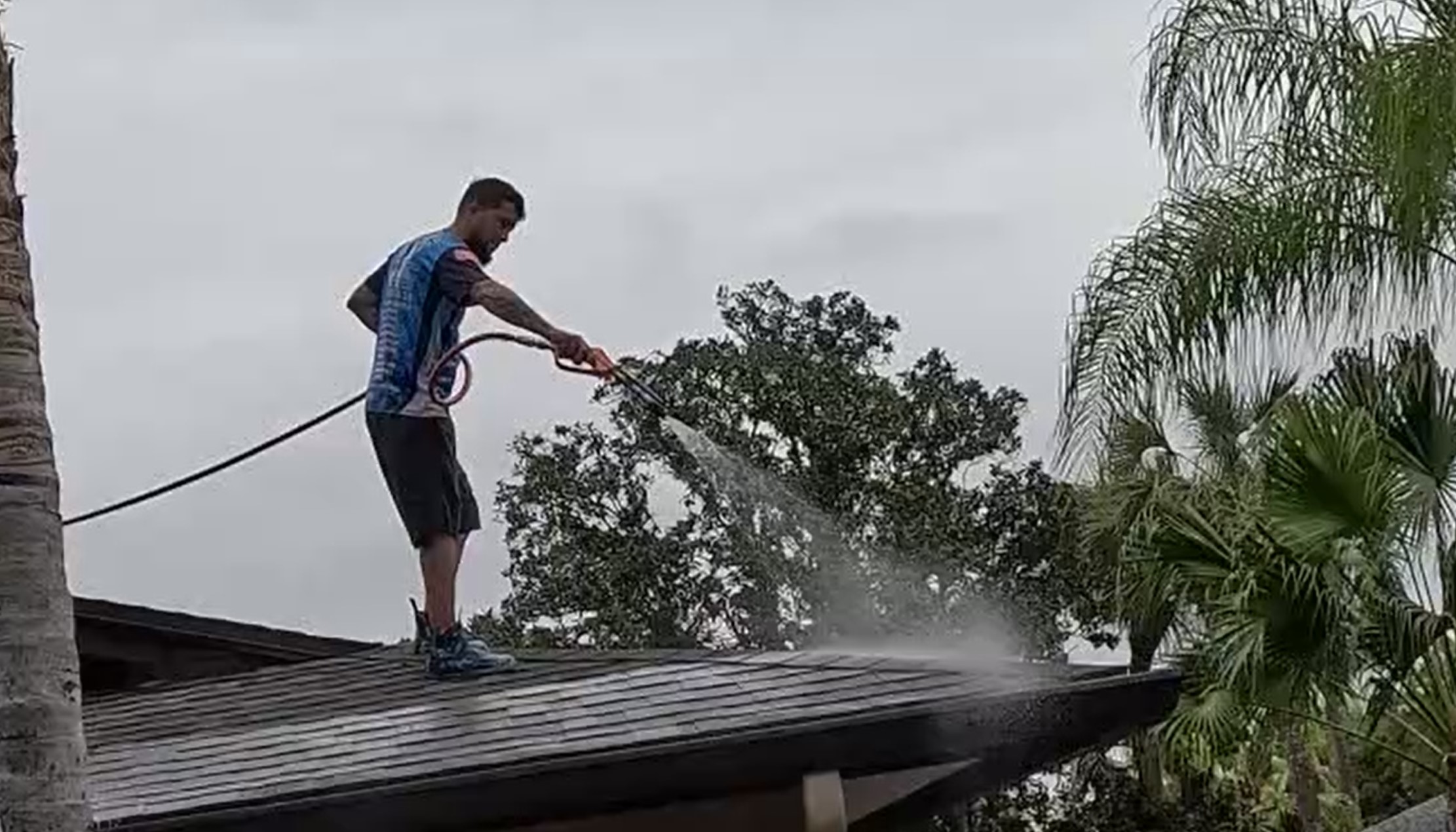
Soft-Wash Cleaning for Gutters: A Gentle, Effective Method
Soft washing — a low-pressure cleaning method — is ideal for removing:
- algae
- mold
- mildew
- black streaks
- dirt buildup
It restores the appearance of gutters without damaging aluminum or vinyl coatings.
Combining soft washing with gutter cleaning gives your home a much cleaner look and helps extend the life of the system.
What You Risk By Ignoring Gutter Maintenance
It’s easy to forget about gutters. They’re out of sight and out of mind — until something goes wrong.
Here’s what neglecting gutters can cost you over time:
- Foundation repairs
- Siding replacement
- Mold remediation
- Roof leaks
- Rotted fascia boards
- Interior wall repairs
- Landscape restoration
- Pest control treatments
Each of these repairs can be many times the cost of a routine cleaning or gutter guard installation.
A Clean Gutter System Is the Foundation of a Healthy Home
It’s not an exaggeration:
Your gutters have a direct impact on your home’s stability, safety, and long-term value.
By keeping them clean and functional, you protect:
- your foundation
- your roof
- your siding
- your landscaping
- your walls
- your wallet
Proper drainage is the first line of defense against almost every type of water-related home damage.
Final Thoughts: Protect Your Home From the Top Down
Clean gutters may not be glamorous, but they’re one of the smartest investments you can make in your home’s health and longevity. With proper maintenance — or high-quality gutter guards — you can prevent major structural damage before it begins.
So whether you’re a new homeowner, a long-time property owner, or a business managing multiple buildings, remember this:
Foundation protection starts at the roofline.
And it starts with clean, well-maintained gutters.